
The Bounce Black Team
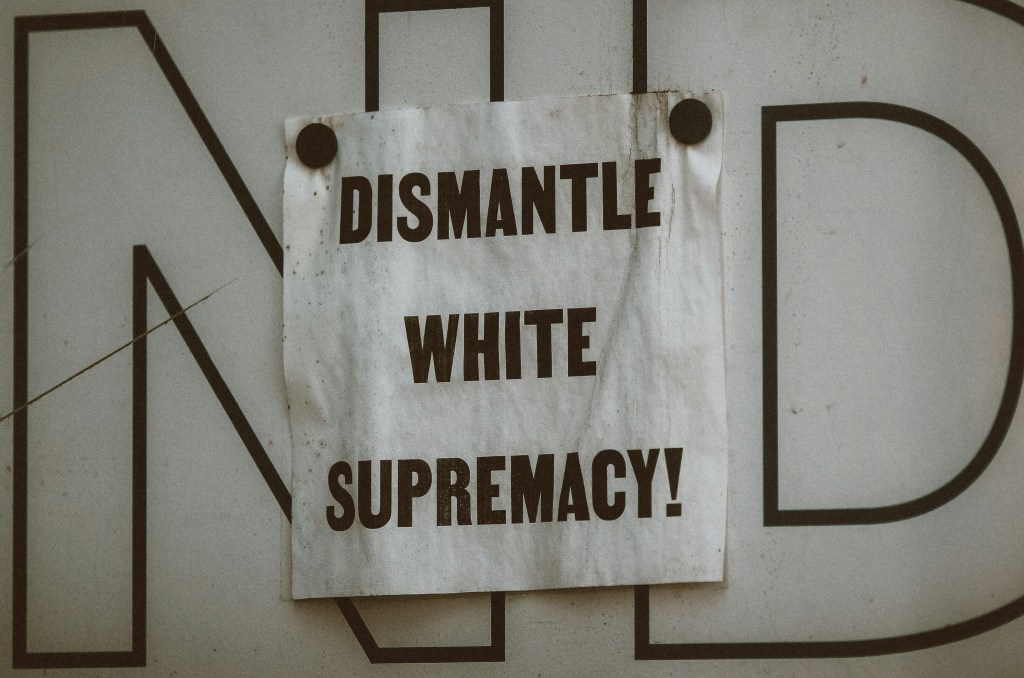
When people hear the words “white supremacy,” many picture extremists in white hoods, burning crosses, or spewing overt hate. The same goes for “racism”—it’s often imagined as someone shouting slurs or outright refusing to work with Black people.
But white supremacy is not just a relic of history or a fringe ideology—it is an everyday system that privileges whiteness at every level of society, including the workplace.
White supremacy, in its most pervasive form, is about power: who holds it, who benefits from it, and who is harmed by it. It does not require active hate to function. It is embedded in hiring practices, workplace culture, and career progression. It determines who gets mentorship, who gets promoted, whose mistakes are forgiven, and who feels safe showing up as their full self.
And yet, in many workplaces, calling out these realities is seen as more offensive than the harm itself. Many white professionals react to conversations about privilege and systemic racism as personal attacks rather than opportunities for accountability and growth.
Being called “racist” is framed as worse than experiencing racism. Meanwhile, Black employees and students face daily microaggressions, pay gaps, exclusion from decision-making, and retaliation for simply naming these issues.
How White Supremacy and Privilege Manifest at Work
The Myth of Meritocracy
Workplaces love to say they hire and promote “the best person for the job.” But who defines “best”? Often, it’s those already in power—who are overwhelmingly white—upholding standards that favour whiteness. “Cultural fit” is often just coded language for “people who make us comfortable.”
Bias in Performance Evaluations
Studies show that Black employees receive more vague and negative feedback compared to white colleagues. A Black employee’s ambition can be seen as “aggressive,” while a white employee’s is seen as “leadership potential.” These biases affect promotions, pay raises, and career trajectories.
The Burden of “Proving” Competence
White employees are often assumed competent until they prove otherwise, while Black employees must prove their worth repeatedly. A mistake by a white employee is seen as a learning opportunity, while a mistake by a Black employee is seen as proof they weren’t qualified in the first place.
The Expectation to Educate White Colleagues
Many Black professionals find themselves in the unpaid, unofficial role of “diversity educator.” They are expected to explain racism, offer solutions, and manage white colleagues’ feelings—all while doing their actual job. White people, on the other hand, often disengage from these conversations unless it personally benefits them.
Retaliation Against Those Who Speak Up
Workplace culture often discourages naming racism. When Black employees raise concerns, they are labeled as “angry,” “difficult,” or “not a team player.” This creates a chilling effect where silence becomes a survival strategy, at great cost to mental and emotional wellbeing.
The Impact on Black Wellbeing & Social Mobility
The weight of these experiences doesn’t stay at work. It takes a toll on mental health, leading to burnout, anxiety, and depression. The stress of navigating white-dominated workplaces while constantly being undermined and underestimated drains energy that could be used for career growth.
These workplace realities also limit social mobility. When Black employees are passed over for promotions, paid less, or pushed out of industries altogether, it reinforces economic disparities. Generational wealth gaps persist, not because Black professionals lack talent or ambition, but because systemic barriers actively work against them.
How White People Can Be True Allies at Work
White people often ask, “What can I do?” Here’s where to start:
✔ Do Your Own Inner Work – Read, listen, and educate yourself on systemic racism without expecting Black colleagues to do the labor for you. Sit with the discomfort of recognising your privilege.
✔ Call Out Racism in Your White Peers – It’s easy to nod along in diversity workshops but much harder to challenge your coworker’s “joke” or your boss’ biased hiring decisions. Being an ally means speaking up when it counts, even when no Black people are in the room.
✔ Advocate for Systemic Change – Push for transparent pay structures, equitable hiring, and leadership accountability. Support Black colleagues’ ideas, credit their work, and mentor Black professionals without centering yourself.
✔ Stop Expecting Gratitude for Basic Decency – Being “not racist” is the bare minimum. Being actively anti-racist requires sustained effort, not just a LinkedIn post or a Black History Month panel appearance.
Building Workplaces Where Black Professionals Thrive
True workplace equity won’t happen through performative allyship or occasional diversity initiatives. It requires structural shifts that redistribute power, hold people accountable, and ensure Black employees can succeed without having to battle racism at every turn.
If we’re serious about creating workplaces where talent—not whiteness—determines success, then it’s time for real, uncomfortable, transformative change. Anything less is just upholding the status quo.

Leave a Reply