
By Bounce Black
From Sudan to Senegal, Congo to Cameroon, African nations are facing crises that are urgent, heartbreaking, and too often ignored by global media.
These aren’t just distant issues on a continent we’ve left behind.
These are stories that affect our families, our roots, our futures.
For those of us in the diaspora, it’s time to move beyond concern, and into commitment.
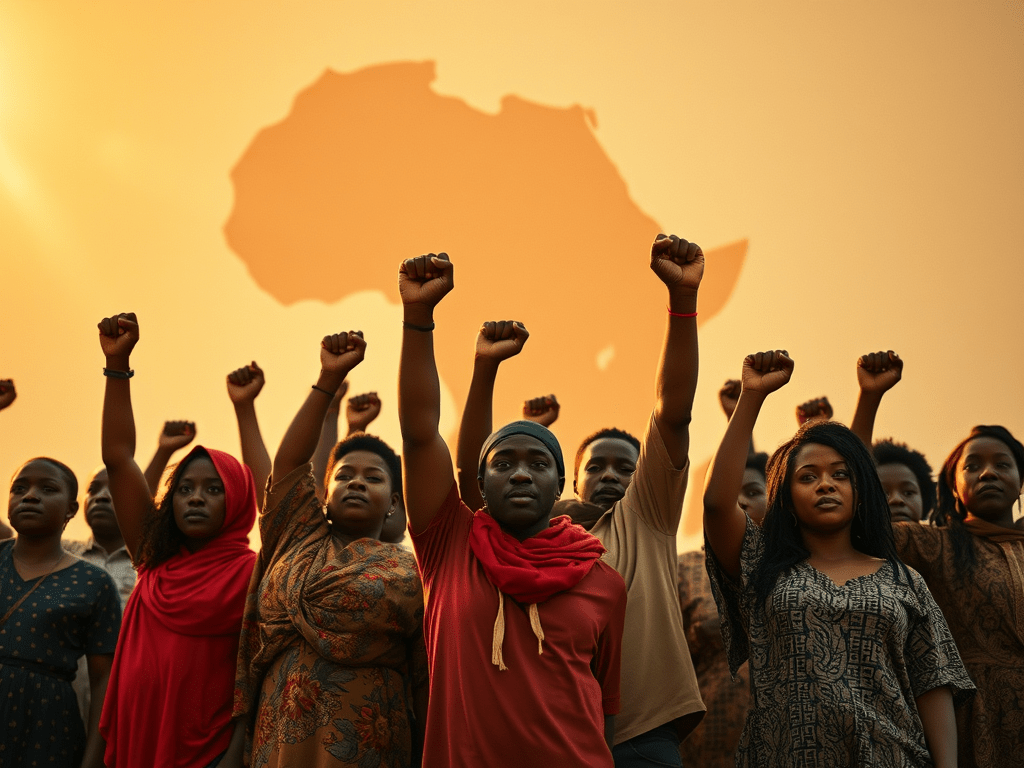
This blog post breaks down key issues affecting different African countries right now and offers tangible ways the diaspora can stand in solidarity, not just sentiment.
A Country-by-Country Look
🇸🇩 Sudan: A Nation at War With Itself
Since April 2023, Sudan has been locked in a brutal civil war between the Sudanese Armed Forces and the paramilitary Rapid Support Forces. It is one of the world’s worst, and most underreported, humanitarian crises.
Cities like Khartoum and Darfur have become unliveable, with reports of mass killings, gender-based violence, and ethnic cleansing. Civilians are caught in the crossfire with limited access to food, medicine, or safety.
With thousands killed, and vital infrastructure destroyed, over 8 million people are displaced, making it the largest displacement crisis globally in recent years. Amid this, internet and media blackouts make it hard for the world to witness the full extent of the crisis.
Do Something: Amplify Sudanese voices, support emergency relief efforts, and push governments to stop enabling violence through arms and silence.
🇨🇩 DR Congo: A Crisis Hidden in Plain Sight
The Democratic Republic of Congo is rich in natural resources, especially cobalt and coltan, minerals essential for phones, laptops, and electric cars. But this wealth has come at a devastating cost. Armed groups and foreign interests have long exploited the region, fuelling violence in the eastern provinces.
Eastern Congo is facing mass displacement and violence as armed rebel groups, including the Rwandan-backed M23, continue attacks. Over 6 million people have been displaced, and sexual violence is used as a weapon of war. Despite the scale of suffering, global attention remains minimal.
Many Congolese live in poverty, while foreign corporations profit from their land. This is not just a local crisis, it’s a global justice issue.
Do Something: Advocate for conflict-free minerals and ethical supply chains, support Congolese-led organisations, push for corporate and political accountability, and share Congo’s story with truth and urgency.
🇪🇹 Ethiopia: Unhealed After War
Ethiopia has recently emerged from a brutal two-year civil war in the Tigray region that killed hundreds of thousands and displaced millions. Although a peace agreement was signed in 2022, the scars of the war remain, including trauma, infrastructure damage, famine, and regional tensions.
Ethnic tensions in regions like Amhara and Oromia continue to pose a risk of renewed violence across the country. Ethiopia’s economy, once one of Africa’s fastest-growing, has slowed dramatically under the strain of conflict and inflation. At the same time, communities are pushing for healing and reconstruction.
Do Something: Promote mental health and trauma healing initiatives, demand accountability for war crimes, support peace-building and unity efforts, and advocate for continued attention to Ethiopia’s recovery.
🇿🇦 South Africa: A Nation at a Crossroads
South Africa, often hailed as the “Rainbow Nation” after apartheid, continues to wrestle with deep-rooted inequality, high unemployment, gender-based violence, political instability, and ongoing racial and economic divides.
Despite being one of the most economically developed nations on the continent, South Africa holds the grim title of one of the most unequal societies in the world. A small elite holds most of the wealth, while millions live in informal settlements, face high unemployment, and lack access to quality education and healthcare.
Youth unemployment is extremely high, and disillusionment with leadership runs deep. Corruption scandals, particularly during the Zuma Administration era, have eroded trust in institutions. Electricity blackouts (load shedding) are a near-daily reality, crippling economic productivity and exacerbating public frustration. Xenophobic violence has also flared in recent years, with Black African migrants scapegoated for systemic failures, a painful contradiction in a nation that once called on the world to stand against apartheid.
At the same time, Black South Africans continue to face barriers to land ownership, quality education, and safety. Youth movements and grassroots organisations are pushing for justice and equity, but face resistance from entrenched systems.
As South Africa approaches key elections and a generational tipping point, the nation’s future hangs in the balance. Supporting efforts that address systemic injustice, promote pan-African solidarity, and combat anti-Blackness is vital.
Diaspora Action: Support youth-led economic initiatives, amplify anti-xenophobia campaigns, and invest in grassroots movements advocating for accountability, equity, and healing from apartheid’s legacy.
🇬🇭 Ghana: A Beacon Facing Economic Shadows
Ghana is often celebrated as a stable democracy and a welcoming destination for diaspora returnees. However, beneath the surface, the country faces economic hardship, with high inflation and national debt affecting everyday life.
Youth unemployment is high, and illegal gold mining has caused widespread environmental damage, polluting water sources and degrading land. While many Ghanaians remain hopeful, there’s growing frustration with political leadership and resource mismanagement. Young Ghanaians are demanding more than survival, they want dignity. They deserve nothing less.
Do Something: Invest in youth-led and Ghanaian-led innovation and initiatives, amplify grassroots movements like #OccupyJulorbiHouse, and support local changemakers.
🇳🇬 Nigeria: Between Promise and Protest
Nigeria is Africa’s most populous country and one of its largest economies, but it’s grappling with deep systemic challenges. Nigeria is facing record levels of poverty, insecurity, and disillusionment with governance.
Millions of young Nigerians face high unemployment despite being highly educated. Corruption, political unrest, and insecurity persist, with extremist groups like Boko Haram, bandits, and kidnappers threatening lives in various regions.
In 2020, the #EndSARS protests brought global attention to police brutality and state violence, but many of the demands remain unmet, many citizens feel abandoned by those in power. The country also faces economic instability and a rising cost of living.
And yet, Nigeria is home to vibrant innovation, art, and youth activism, signalling a desire for change. The diaspora has a critical role to play in supporting long-term reforms.
Do Something: Fund mental health support, invest in civic education, amplify Nigerian voices, and keep international attention on police reform and electoral justice.
🇨🇲 Cameroon: A Lingering War No One Talks About
Cameroon is experiencing a largely hidden conflict in its Anglophone regions. English-speaking communities, historically marginalised by the Francophone-dominated government, have been demanding autonomy and equal rights.
Since 2016, Cameroon has been locked in a separatist conflict between Anglophone and Francophone communities. Peaceful protests escalated into armed conflict, with government crackdowns, civilian killings, and mass displacement. Thousands have died, and many live in fear. Meanwhile, the country also faces threats from Boko Haram in the north and economic hardship. Humanitarian aid is limited, and international coverage remains low.
Do Something: Amplify Anglophone voices from Cameroon, raise awareness, support displaced communities, donate to humanitarian aid in conflict zones, and demand international diplomatic pressure for peace, justice and restoration of human rights.
🇲🇱🇧🇫🇳🇪 Mali, Burkina Faso & Niger: The Sahel on Fire
These three West African nations are experiencing escalating instability driven by armed insurgencies, military coups, and deep-rooted, post-colonial grievances.
Armed groups, including Islamist extremists, have taken control of large swathes of territory, displacing millions and disrupting education, farming, and daily life. These extremist groups control rural areas, and climate change fuels migration and food insecurity.
Each country has been destabilised by coups since 2020, with military juntas rejecting French influence and challenging Western-led counterterrorism efforts. Civilian governance is also weak or absent in many areas. Meanwhile, citizens, especially youth, are frustrated by international neglect, local corruption, and worsening living conditions.
Do Something: Fund trauma healing, support locally-led peace-building, education and agriculture programs, and share nuanced narratives beyond reductive foreign media portrayals of “terrorism.”
🇸🇴 Somalia: Resilience Amid Ruins
Somalia has endured over three decades of conflict, poverty, and humanitarian crises. The federal government continues to battle extremist Al-Shabaab insurgents, who control rural areas and carries out frequent attacks.
Climate change is exacerbating droughts and floods, displacing millions and leaving millions more facing hunger and chronic poverty. Somalia’s healthcare and education systems are fragile, and many rely on remittances and humanitarian aid to survive.
Do Something: Send smart support to community-led initiatives, fund emergency relief, back education and health initiatives, promote long-term eace and climate resilience, and uplift Somali voices in global forums.
🇱🇾 Libya: A Deadly Crossing Point
Since the fall of Muammar Gaddafi in 2011, Libya has spiraled into chaos and chronic instability. Rival governments and militias control different parts of the country, and repeated ceasefire agreements have failed to bring lasting peace.
For African migrants, Libya has become a place carrying extreme danger of human trafficking and abuse. Many are detained, enslaved, or abused while attempting to reach Europe, as it is a key point in the Mediterranean migration route, and conditions for migrants and refugees are notoriously inhumane.
Libya’s instability also fuels regional arms trafficking and human rights violations.
Do Something: Support anti-trafficking organisations and efforts towards long-term peace-building, pressure governments for just and humane migration policies, and demand accountability from complicit actors.
🇹🇳 Tunisia: From Revolution to Repression
Once hailed as the success story of the Arab Spring, Tunisia is now sliding into authoritarianism. President Kais Saied has consolidated power, dissolved the parliament, and cracked down on opposition voices. Any previous democratic gains are quickly eroding under the Saied Administration.
Simultaneously, anti-Black racism has surged, with Sub-Saharan African migrants facing violence, scapegoating, and mass expulsions. Many are left stranded without shelter or legal protection. The nation’s economic crisis has deepened social unrest, and rising xenophobia threatens regional solidarity.
Do Something: Speak out against anti-Black racism and racial violence, support migrant rights organisations, uplift Afro-Tunisian voices, and hold international institutions accountable for engaging with authoritarian regimes without upholding human rights.
So… What Now?
Here’s what it means to be a conscious, connected diaspora:
1. Stay Informed.
Follow African media, activists, and journalists. Understanding is the first act of solidarity. Here are some platforms and people to check out:
Pan-African / Continental Media Outlets
- African Arguments – Independent analysis on politics, society, and culture across Africa.
- Africa Is a Country – Commentary on culture, politics, and media, often challenging Western narratives.
- The Elephant (Kenya-based) – Long-form journalism focused on African governance, inequality, and identity.
Country-Specific Media Outlets
- Daily Maverick (South Africa) – Investigative journalism and in-depth commentary.
- Premium Times (Nigeria) – Renowned for hard-hitting reporting and transparency watchdog work.
- The Republic (Nigeria) – Narrative journalism and deep political analysis.
- Sudans Post (Sudan/South Sudan) – Independent updates and local reporting.
- Congo Research Group – Data and reporting on conflict and politics in the DRC.
Pan-African / Diaspora-Focused Activists and Thought Leaders
- Kọ́lá Túbọ̀sún (@kolatubosun) – Nigerian linguist, writer, and cultural advocate.
- Mũkoma wa Ngũgĩ (@MukomaWaNgugi) – Kenyan scholar, author, and Pan-African thinker.
- Sisonke Msimang (@Sisonkemsimang) – South African writer and commentator on identity and politics.
- Elsie Eyakuze (@MikocheniReport) – Tanzanian writer and editor of The Mikocheni Report.
- Tsedale Lemma (@TsedaleLemma) – Ethiopian journalist and founder of Addis Standard.
- Zitto Kabwe (@ZittoKabwe) – Tanzanian politician and advocate for economic justice.
- Kemi Alemoru (@KemiAlemoru) – British-Nigerian journalist often covering diasporic and African issues.
Diaspora-Led Platforms
- OkayAfrica – Music, culture, and political commentary from a modern Pan-African lens.
- Amaka Studio – Storytelling platform centering African women’s voices and narratives.
- Open Country Mag – Nigerian platform for creative nonfiction, commentary, and culture.
Telegram / WhatsApp / Newsletters
- The Continent newsletter – A weekly WhatsApp-distributed newspaper from Mail & Guardian offering sharp, African-centred news. Subscribe via WhatsApp by sending “Hi” to +27 73 805 6068.
- Africa No Filter – Newsletter and media organisation reshaping stereotypical narratives.
2. Speak Up.
Use your platforms to share stories, challenge harmful narratives, and elevate African voices.
3. Support Strategically.
Donate to local, trusted, community-led organisations, not just large international NGOs. Check out the work of Kwanda who are making this easier.
4. Push for Policy Change.
Hold your elected officials, aid agencies, and corporations accountable for their roles in global injustice.
5. Remember Your Power.
You don’t have to be an expert. You just have to care enough to act.
Final Word: Our Struggle is Interconnected
Africa’s challenges are not separate from our lives in the diaspora, they’re deeply connected. Colonialism, capitalism, climate crisis, and migration systems tie our struggles together. But so do our solutions.
At Bounce Black, we believe that healing, justice, and progress require global Black solidarity across borders, identities, and experiences.
Let’s show up not just in identity, but in action.
We’re rooting for EVERYBODY Black!
Read Next: Understanding Africa’s Crises: A Call to Action for the Diaspora (Part 2)

Leave a comment