
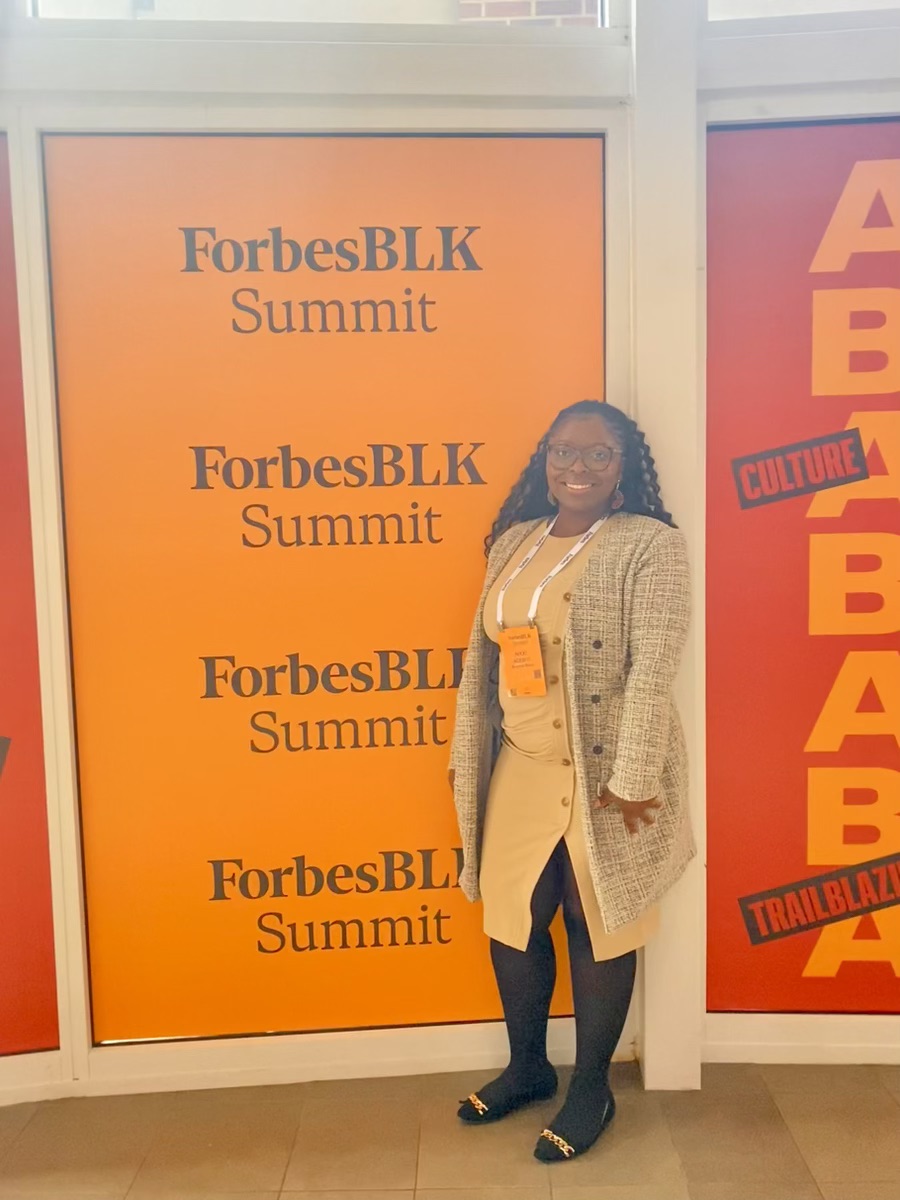
Nikki Adebiyi, Founder, Bounce Black
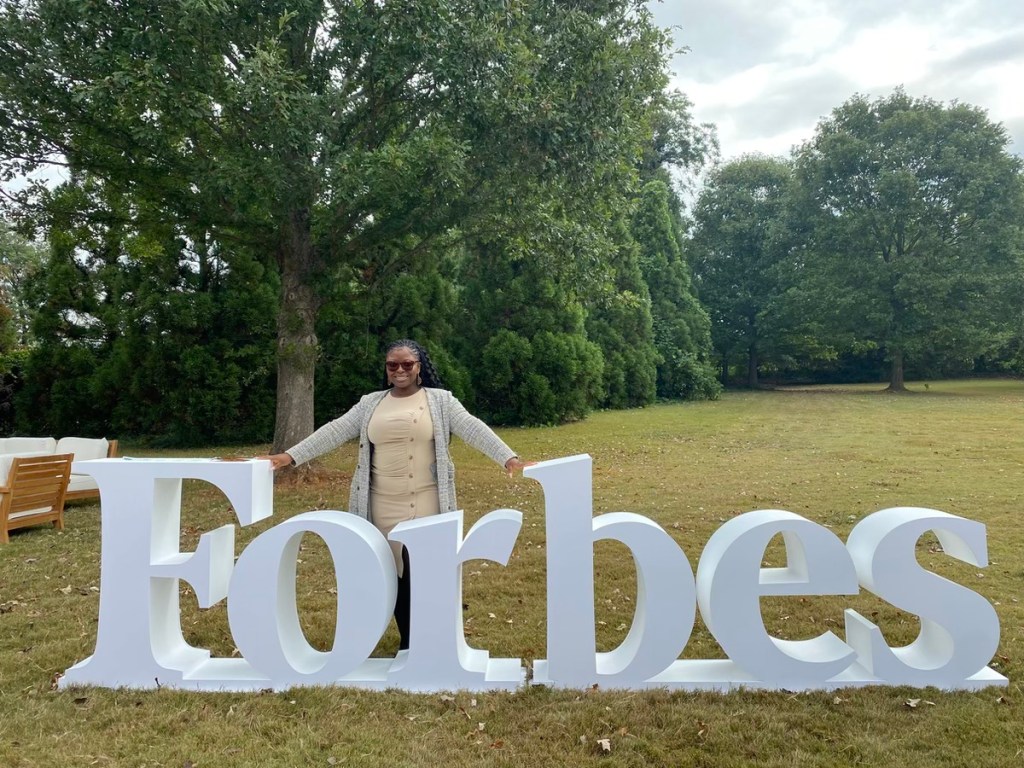
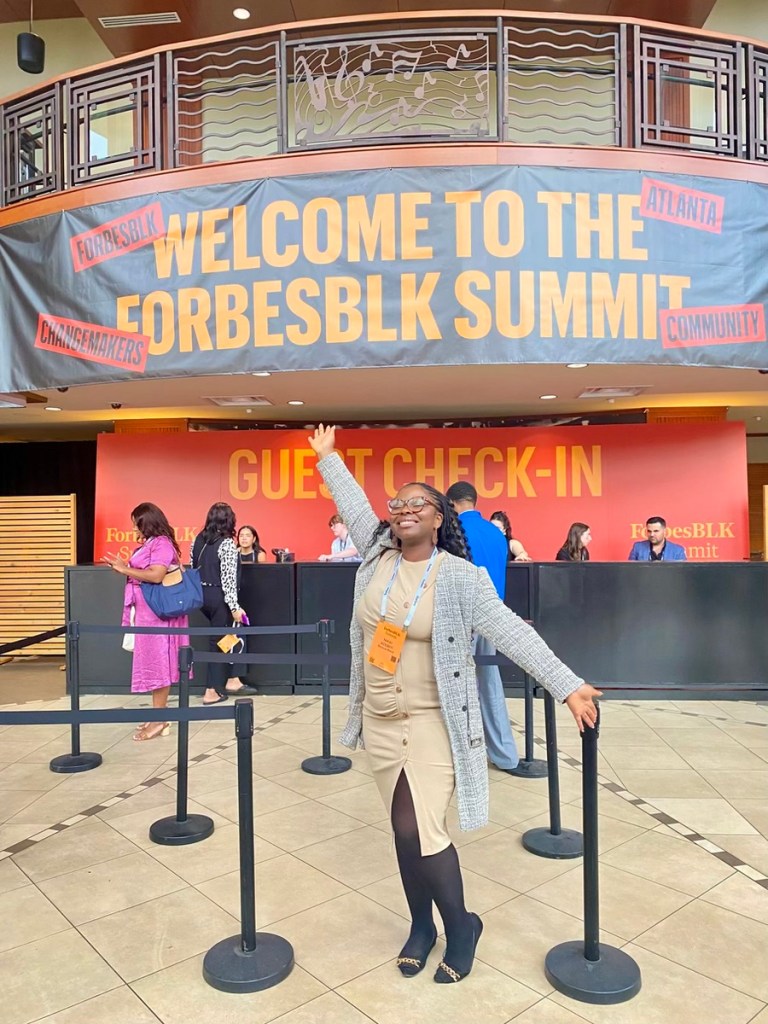
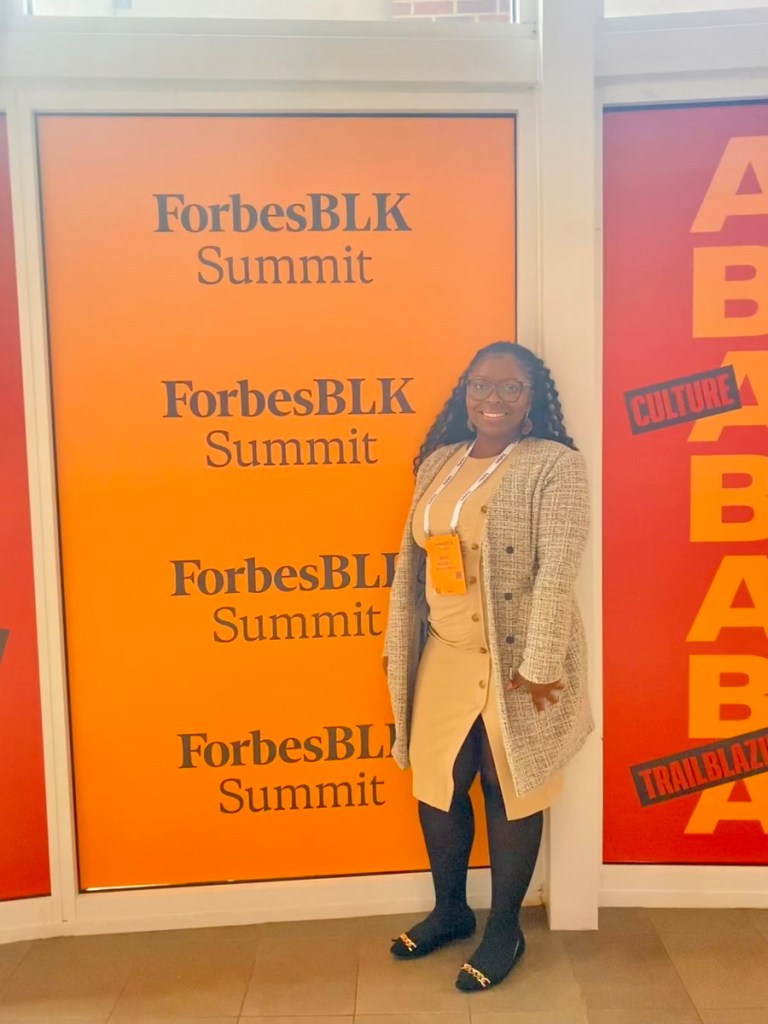
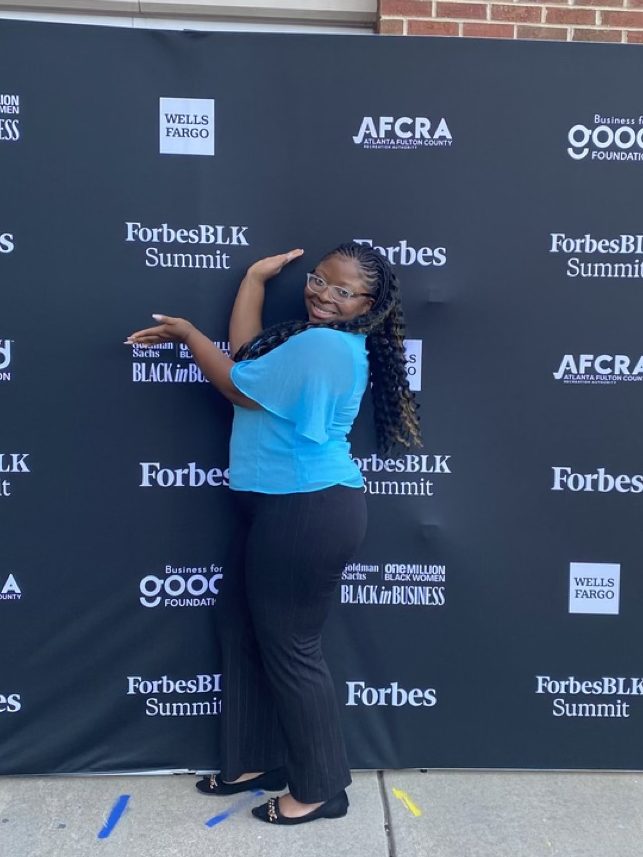
Last month I was in Atlanta for the first time, attending the ForbesBLK Summit for the first time.
As you might imagine, a time was had!!!
Hosted at Morehouse College, the HBCU undergraduate school for young men, there could not have been a better environment to be immersed into on my first trip.
From the young women’s counterpart Spelman College across the street, to the numerous Black-owned cafes and restaurants, ATL is a Black Mecca like no other.
My Time In ‘The A‘
As I wrote on my Instagram reflection posts:
One of the things I loved most about Atlanta was that it’s the first Black Mecca I’ve been to that really felt like it. I am not playing when I say this is the blackest city I’ve ever been to outside of the ancestral lands.
I saw Black people from all walks of life and in all stations of life. And I realised how rare that is for me to see all the nuances of Black existence in one place. This was reflected in the art, the food, the music, the culture and the spirit of the city.
Of course, like any city, it has its problems. But what amazes me about ATL is that it’s a beautiful blueprint for how Black communities can provide the solutions as well.
——
My first time in the A, but hopefully not the last.🤍🅰️
The city and its surrounding areas felt like a breath of fresh air. Never have I been somewhere so Black outside of my homeland in Nigeria!
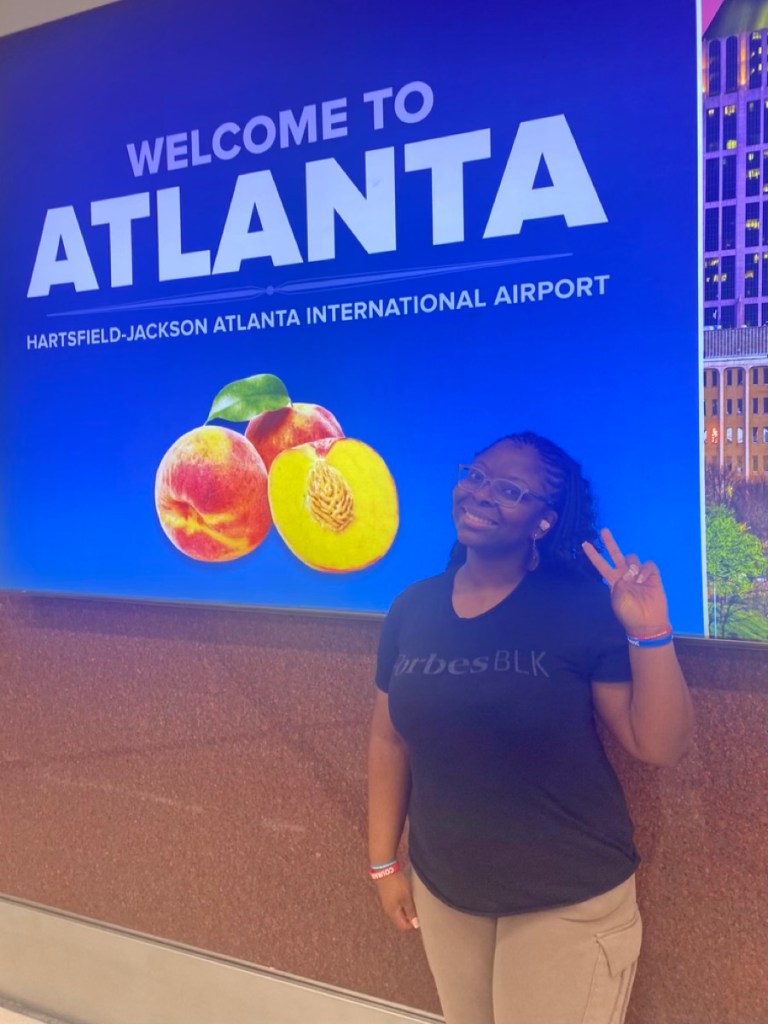
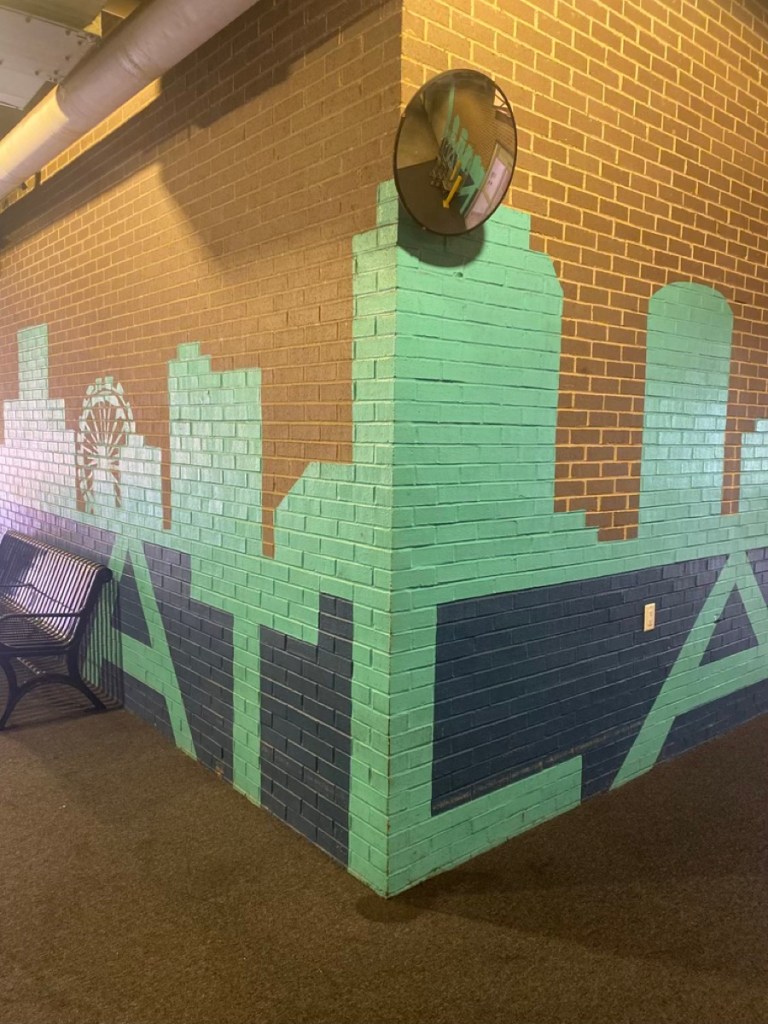


As I continued in a subsequent reflection post:
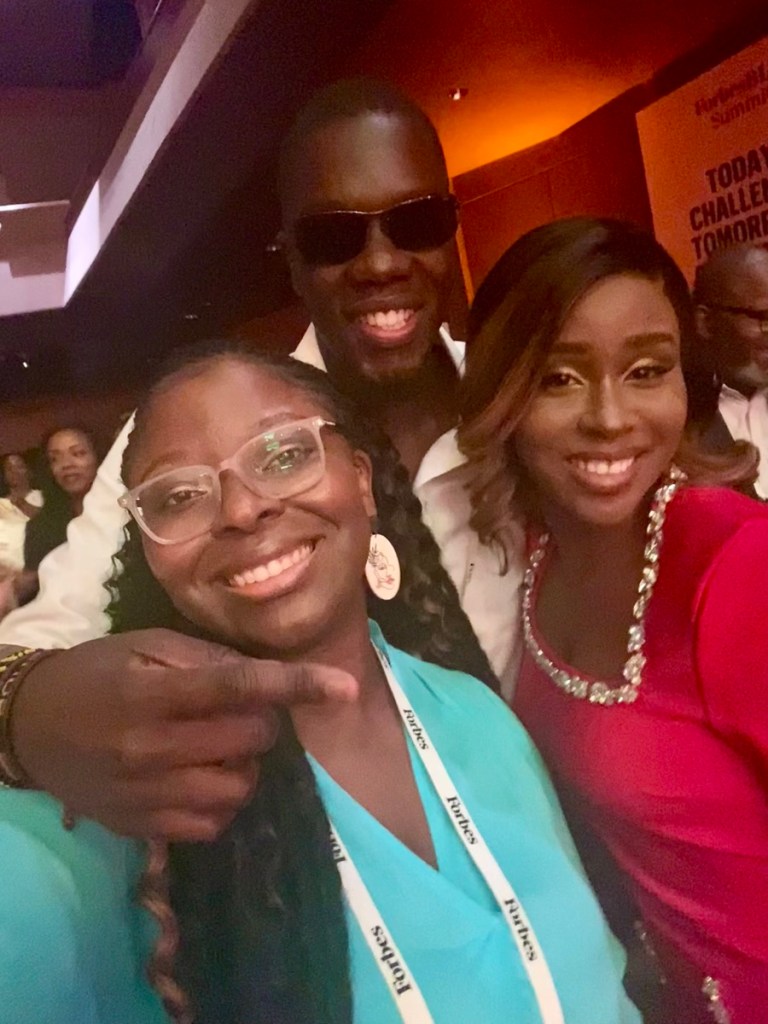
“It’s been about a month since I returned from my first trip to Atlanta. Over the weekend, I bumped into Norman Busigu, and we reminisced on what a time we had in the Black Mecca. Needless to say, ATL did something to us and did something for us.”
For me, it felt like home. Not just because the city was so Black that the airport felt like a museum of Black history and culture, but also because of the felt presence of the spirit of activism.
To have had the opportunity to worship with the saints at Ebenezer Baptist Church, where the late Reverend Dr. Martin Luther King Jr once preached, week in and week out. In the same year that I visited the Audubon Ballroom in NYC where Malcolm X was cruelly taken down. My time at either location was not enough, and yet I feel full.
To have seen bold murals on the streets embodying the message that Blackness, too, can exemplify the image of God. That our lives have intrinsic value, no matter what powers and principalities have tried to impose on us over the centuries. That we need not shy away from the histories that resemble our hues: dark, rich and complex.
This week I finally faced my burnout-based writer’s block head on. I can finally put into words what ATL did for me. As a Black woman, activist, Christian, creative. As a multifaceted, imperfect and in-progress human being.
Atlanta showed me what’s possible for those of us with complicated stories. The past is always with us, in our skin, in our psyche, in our atmosphere. But so is the future—with all its promise and hope.
Atlanta taught me that suffering and struggle can coexist with joy and ingenuity, as lament and questioning with salvation and glory.
Atlanta reminded me that the shattering and devastation is not the end. And hope accompanied by resolve is the difference between seeing what’s left over as rubble or as a resource.
I pray I keep choosing resource.
Reflections on the Summit
From founders to financiers, creators to community builders, and actors to activists, the three days of the Summit were a masterclass in what it means to build boldly, lead purposefully, live courageously and thrive holistically.
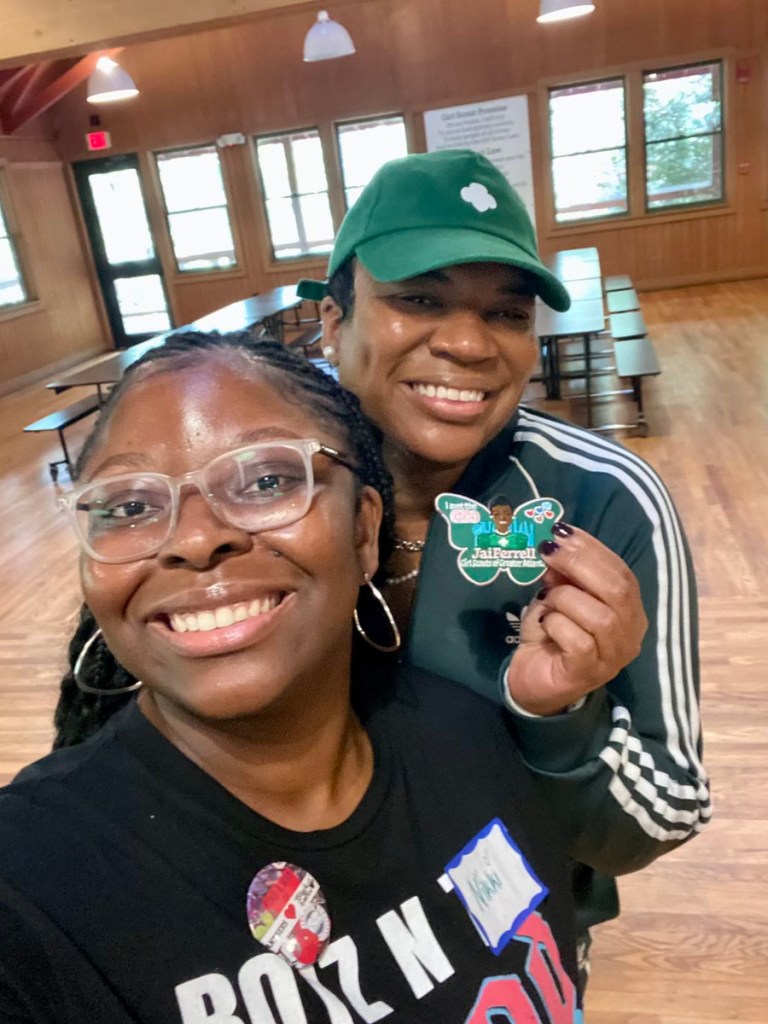
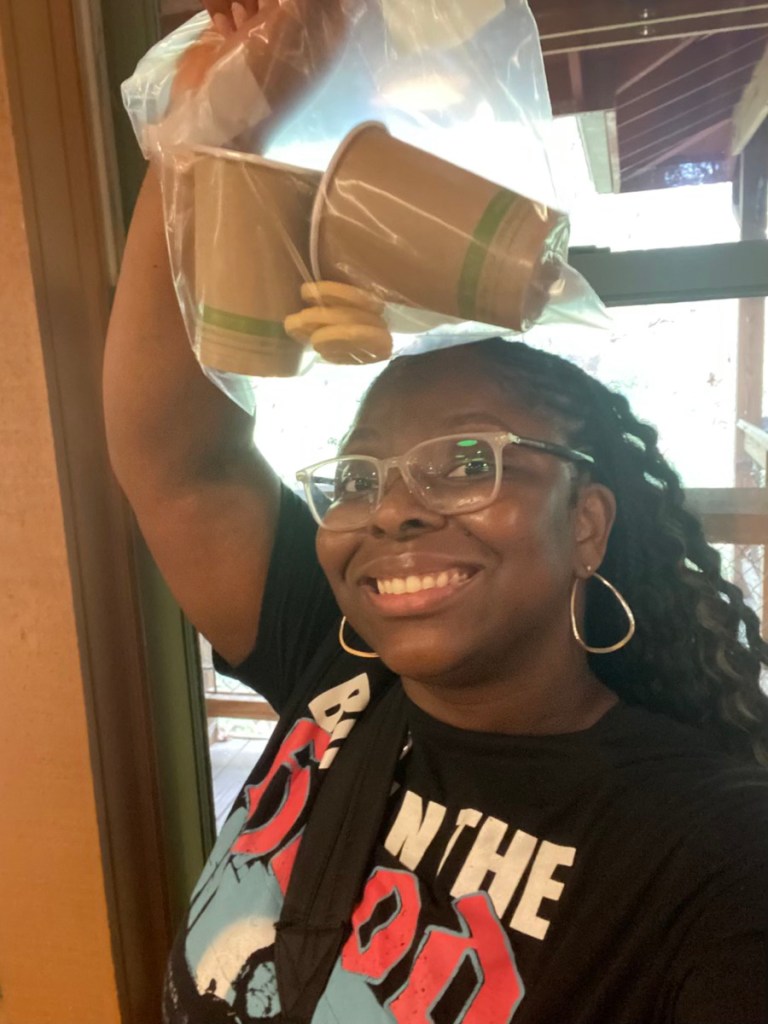
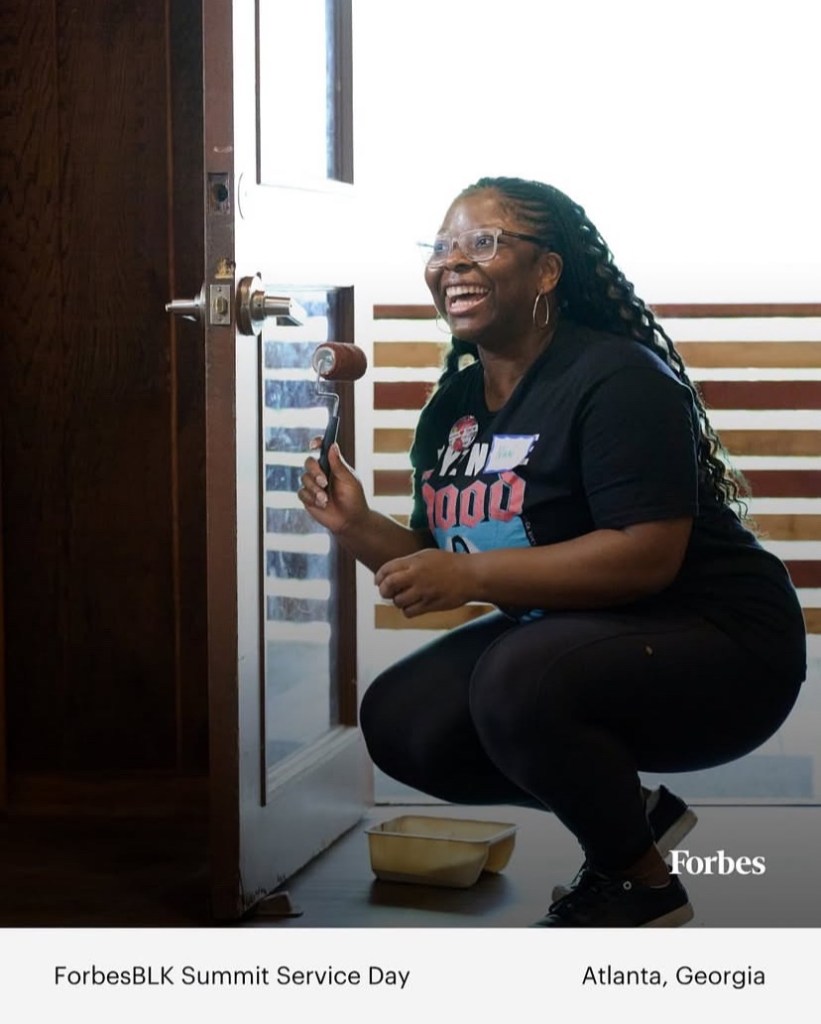
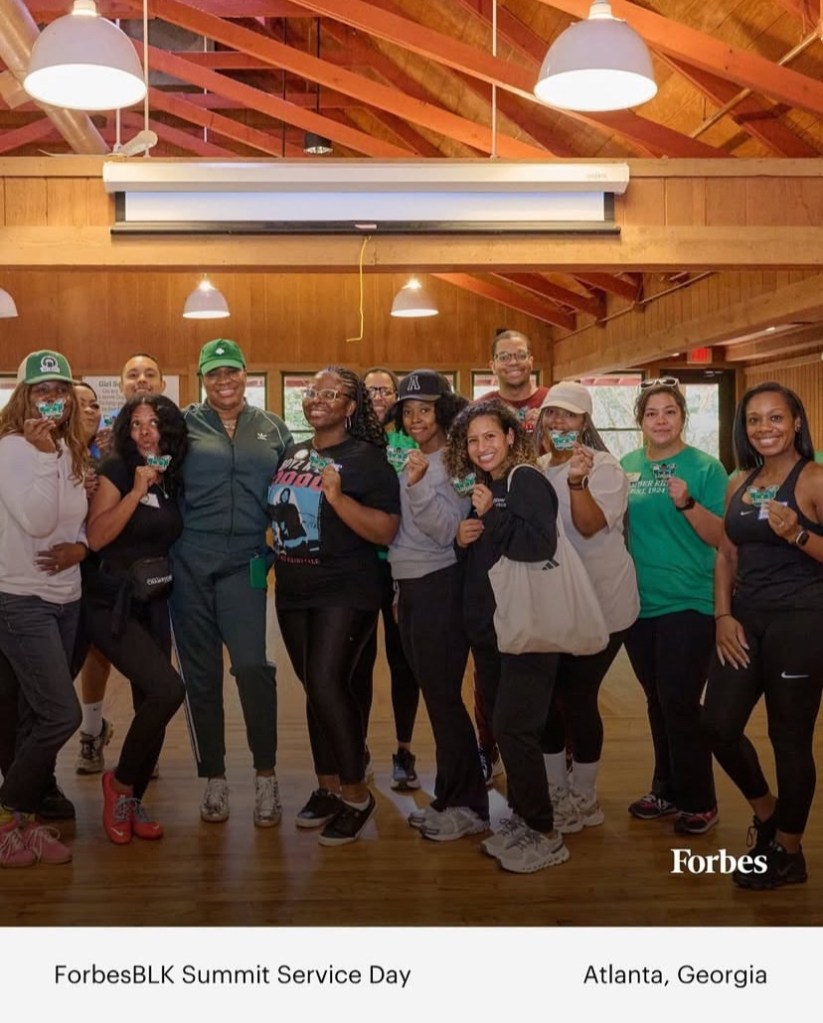
The first day was Service Day, which presented the opportunity for me to be a Girl Scout for the day. I got to meet the CEO, explore the camp grounds, paint some cabins, and eat some (a lot of) cookies!!

The remaining two days were jam-packed with panel discussions, breakout sessions and fireside chats with some amazing Black cultural legends.

Here are some of my key reflections and takeaways, and you can find the full document of my notes here:
1. Greatness Requires Excellence – Emma Grede
From Plaistow, East London, the mogul and powerhouse Emma Grede reminded us that focus is a force multiplier.
Her fireside chat stressed the power of lifelong learning and building human capital, which is the idea that our unique skills are the currencies we must leverage. Grit being the main one because it tends to be a trait that comes with growing up with few or no privileges.
“If you play small, you stay small.”
Her story is a testament to doing the work with excellence, being present enough to “look up” from our phones, connecting with the people around us, and understanding that grit isn’t manufactured; it’s born out of necessity.
2. Code, Culture & Consequences
The “Code and Consequences” panel explored how AI is reshaping industries, and how Black creators can, in turn, shape AI.
Candace Mitchell, founder of Myavana, spoke powerfully about embedding our lived experiences into technology and responsibly.
“Developers should have to take a version of the Hippocratic Oath. How we develop matters.”
From building datasets rooted in Black women’s genius to exploring AI as a tool for liberation, this conversation reframed tech as both a frontier and a form of justice.
3. Business for Good
Ed Mitzen’s reminder was simple yet piercing:
“Privilege is when you think something isn’t a problem because it isn’t your problem.”
Whew! Talk about struck a chord!?
His challenge to create “hand ups, not handouts” strongly resonated with me as I believe that equity is built not only through access but through accountability and action.
4. Beyond the Launch
In the Goldman Sachs “One Million Black Women” breakout room, Black women entrepreneurs reminded us that innovation often emerges from our pain points.
“Don’t despise your cave moments — our innovation comes from our pain.”
From persistence in pitching to embracing AI as an “extension of imagination,” these founders encouraged us to use technology not just to automate, but to amplify.
5. “Chance Favours the Prepared” – Stephen A. Smith
As a basketball fan, controversy aside, this was one of my highlight sessions. THEE Stephen A. Smith joined us with his trademark unapologetic presence, giving us the tea on building confidence, leveraging preparation, and learning perseverance.
“You can’t stop me now because you couldn’t stop me before.”
I enjoyed his honesty about how he has always placed value on his career over any one job, choosing fear over faith, and authenticity over performance. He reminded us that every platform we build carries purpose and responsibility.
6. Vista Vision – Robert F. Smith
Robert F. Smith urged us to take risks, believe in ourselves, and steward capital with love and legacy in mind.
“We are enough to change the circumstances of our families and communities.”
Amen and hallelujah. That will preach!
I liked how his vision of economic empowerment went beyond wealth accumulation. It was also about real ownership, identifying and creating opportunity, and doing what you love in a financially sustainable way.
Lots of gems taken away to meditate on!
7. From Hustle to Harmony
Panels featuring Pinky Cole, Bea Dixon, E-40, Wyclef Jean and others redefined the hustle. They spoke about self-care, financial literacy, and the importance of relationships over crises.
“You need to be 100 to win.” – Bea Dixon
“Run to trouble.” – Asahi Pompey
Some solid life and business lessons that I intend to continue finding ways to embody and exemplify.
8. A Wealth Playbook for 2026
John Hope Bryant referred to this very moment we are living through as our “third reconstruction.” Very interesting!

His challenge? To build, buy, and own because “capitalism is a gladiator sport,” and preparation is our armour.
“If you don’t build a business, buy one.”
Financial literacy, generational planning, and collective resilience are the cornerstones of true freedom.
9. Innovation as Liberation
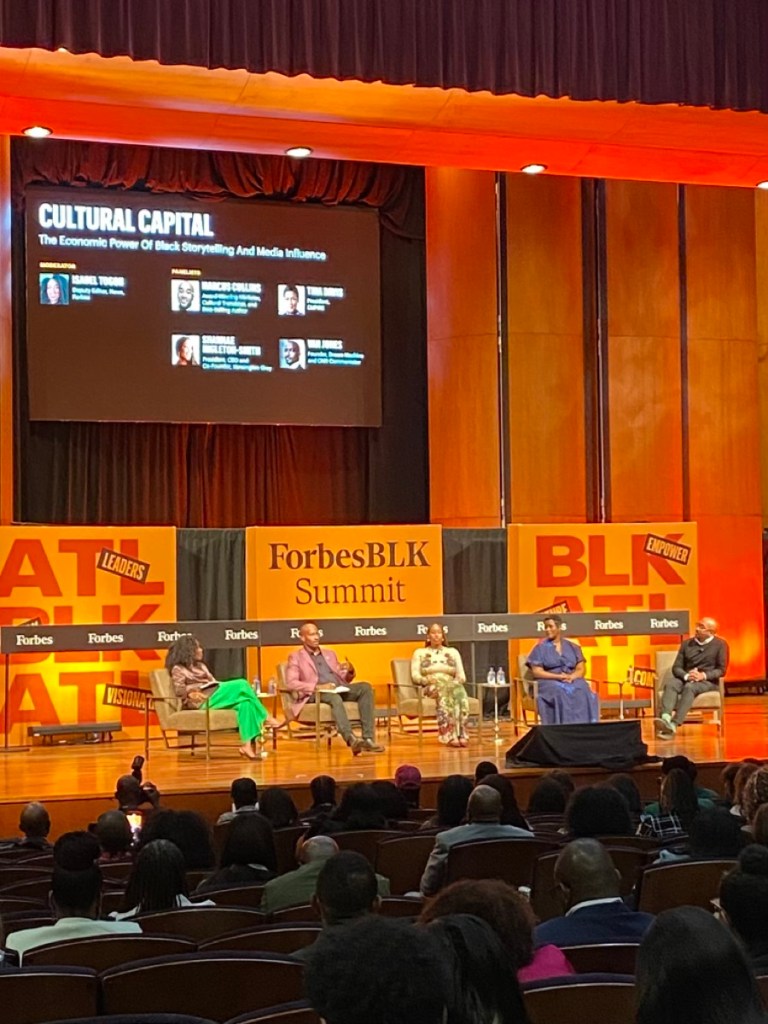
Van Jones had a very intriguing perspective that:
“AI is the closest thing to reparations Black people will ever get.”
A lot of people share that sentiment because the future of AI is still as yet unpredictable, and the rate at which our economic, technological and social landscapes are changing in light of it is equal parts thrilling and scary.
One thing we cannot do is ignore AI and hope it goes away. It’s not. It’s here to stay. So, we are better off learning as much as we can while we’re still in the early stages of its use. Get with it, or get left behind!
The conversation around culture, capital, and creativity also made it clear that innovation is our inheritance. Black people have always made a way where there was no way. So, we shouldn’t be afraid of innovation and transformation, it’s in our DNA!
From tech to storytelling, from media to movement building, we’re not just a people who adapt to change; we are the change.
Final Reflections
Across every panel and fireside, one key message was reinforced throughout, namely that Black excellence is not a trend, it’s a trajectory.
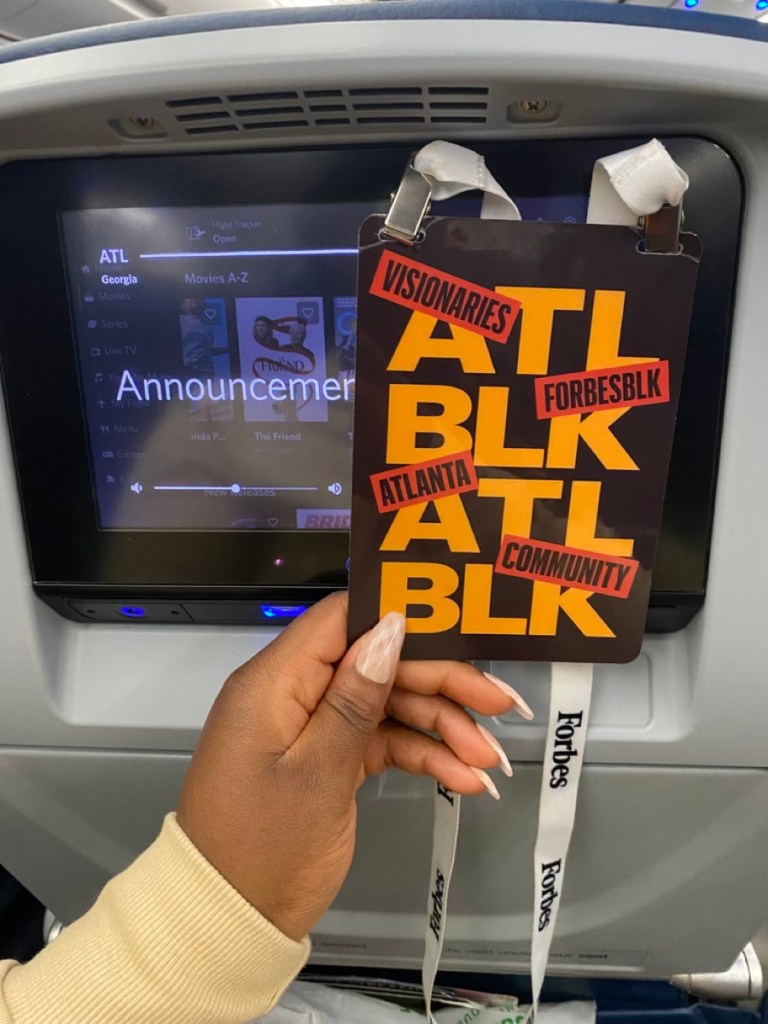
For me, the ForbesBLK Summit was much more than an event. It was a wonderful display of what’s possible.
It was also a glimpse into an emerging and exciting ecosystem that can change our lives for better if we ride the wave well.
For a people who were systematically held back, and downtrodden in every way, we have accomplished many wonders. So, a convergence of minds, missions, and movements like this should inspire us to reimagine prosperity.
Many of us left reminded that legacy is not about longevity and being remembered for the sake of it. It’s about impact, alignment, and the courage to build beyond the blueprint.
“With a sense of purpose, you can do anything.” – Don Peebles

Leave a comment