
The Bounce Black Team
This Fourth of July, we remember that freedom is not only measured by the rights written into law, but by whether those rights can be exercised without fear.
Every year, on July 4th, the United States celebrates liberty, independence, and the promise that all people are created equal.
For many, it is a day of gratitude, family, celebration, and reflection.
But for those who believe they have experienced organised harassment, retaliation, or forms of covert repression that evade meaningful oversight, the day can provoke a different question:
What does freedom mean when your rights exist on paper but not in practice?
This question echoes one posed more than 170 years ago by abolitionist Frederick Douglass in his famous address, What to the Slave Is the Fourth of July? Douglass challenged his audience to consider the contradiction between celebrating liberty while millions remained enslaved.
While today’s context is different, Douglass’s central challenge remains relevant: a society committed to freedom must be willing to examine whether everyone is genuinely able to enjoy it.
Freedom Requires Accountability
A democratic society depends on more than elections.
It depends on transparency. Accountability. Independent journalism. Functioning legal systems.
And it depends on governments that are willing to investigate allegations of wrongdoing, even when doing so is uncomfortable.
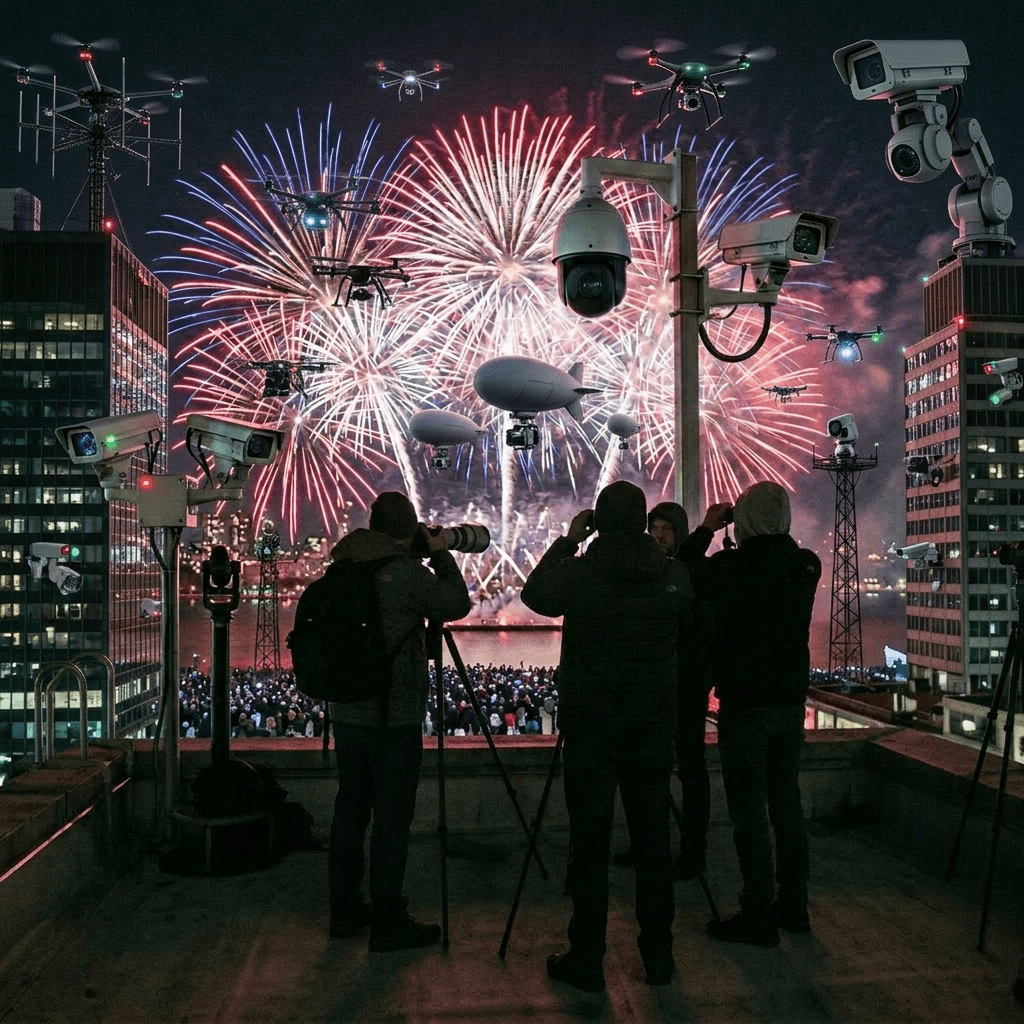
Across many countries, individuals have reported experiences they describe as organised harassment, coordinated retaliation, workplace blacklisting, reputational attacks, digital surveillance, or other forms of intimidation.
We, ourselves, have received numerous direct reports of organised harassment and covert repression tactics, from people of all backgrounds and walks of life, for a variety of reasons including but not limited to:
- Initiating formal or legal proceedings against an individual or institution
- Reporting inappropriate or discriminatory behaviour at work or school
- Leaving a negative review about a business on Google
- Reporting crimes to police
- Speaking out about corruption
- Reporting victim testimonies of attempted human trafficking
- Breakdown of marital, romantic or friendly relationships (usually involving someone with a connection to law enforcement)
- Online disputes and conflict in social media forums
Some allegations have been documented through legal proceedings, whistleblower testimony, investigative reporting, or official inquiries.
Some remain disputed, unverified, or difficult to investigate because of the nature of the claims, which is, of course, by design.
Whatever one’s view of these reports, one principle should unite us:
Serious allegations of abuses of power deserve careful, independent scrutiny rather than automatic dismissal.
Democracy is strengthened, not weakened, when institutions are willing to investigate even themselves.
Why This Matters for Black Communities
Black communities have long understood that formal equality does not always guarantee lived equality.
History shows that surveillance, infiltration, intimidation, and retaliation have been used against Black organisers, journalists, workers, academics, civil rights advocates, and community leaders.
Many of these practices, once dismissed or denied, were later confirmed through declassified documents, public inquiries, court cases, or investigative journalism.
That history should make us neither cynical nor credulous. Instead, it should make us committed to evidence, transparency, and accountability.
When concerns are raised today—whether involving workplace retaliation, abuse of surveillance powers, discriminatory policing, unlawful data collection, corruption, or other alleged misconduct—they deserve to be assessed fairly and independently.
Justice requires neither blind belief nor blind disbelief.
It requires investigation.
Freedom Is More Than the Absence of Chains
Freedom includes the ability to:
- speak without intimidation;
- organise without fear;
- report wrongdoing without retaliation;
- pursue employment without unlawful blacklisting;
- participate in public life without coercion;
- challenge powerful institutions without becoming a target.
These are not special favours. They are democratic rights. Our democratic rights. And they matter for everyone!
If abuses of power can happen to one group without accountability, they can eventually threaten everyone.
A Call to Action
This Independence Day, wherever you live, consider taking one practical step in support of democratic accountability.
Write to your elected representative.
Contact an investigative journalist.
Support organisations defending civil liberties, whistleblowers, press freedom, and human rights.
Ask respectful but difficult questions.
Encourage greater oversight of surveillance powers.
Advocate for stronger protections against retaliation.
Support independent investigations into credible allegations of institutional abuse.
Demand transparency.
Demand due process.
Demand evidence.
Demand accountability.
Freedom Is a Shared Responsibility
At Bounce Black, we believe that thriving requires more than resilience.
Thriving is predicated on an environment that consists of systems worthy of people’s trust.
As Dr Martin Luther King, Jr taught, freedom is not merely the absence of oppression. It is the presence of justice.
It is the confidence that institutions serve the public rather than themselves.
It is knowing that if wrongdoing occurs, there are independent mechanisms capable of uncovering the truth.
This Fourth of July, let us celebrate the ideals of liberty while recognising that every generation has the responsibility to make those ideals more real.
Freedom is never finished.
It must be protected, examined, and renewed.
For Black communities.
For whistleblowers.
For journalists.
For public servants acting with integrity.
For those who feel unheard.
For those seeking truth.
For everyone.
Because democracy is strongest when accountability is not feared, but embraced.

Leave a comment