Reclaiming Black Beauty
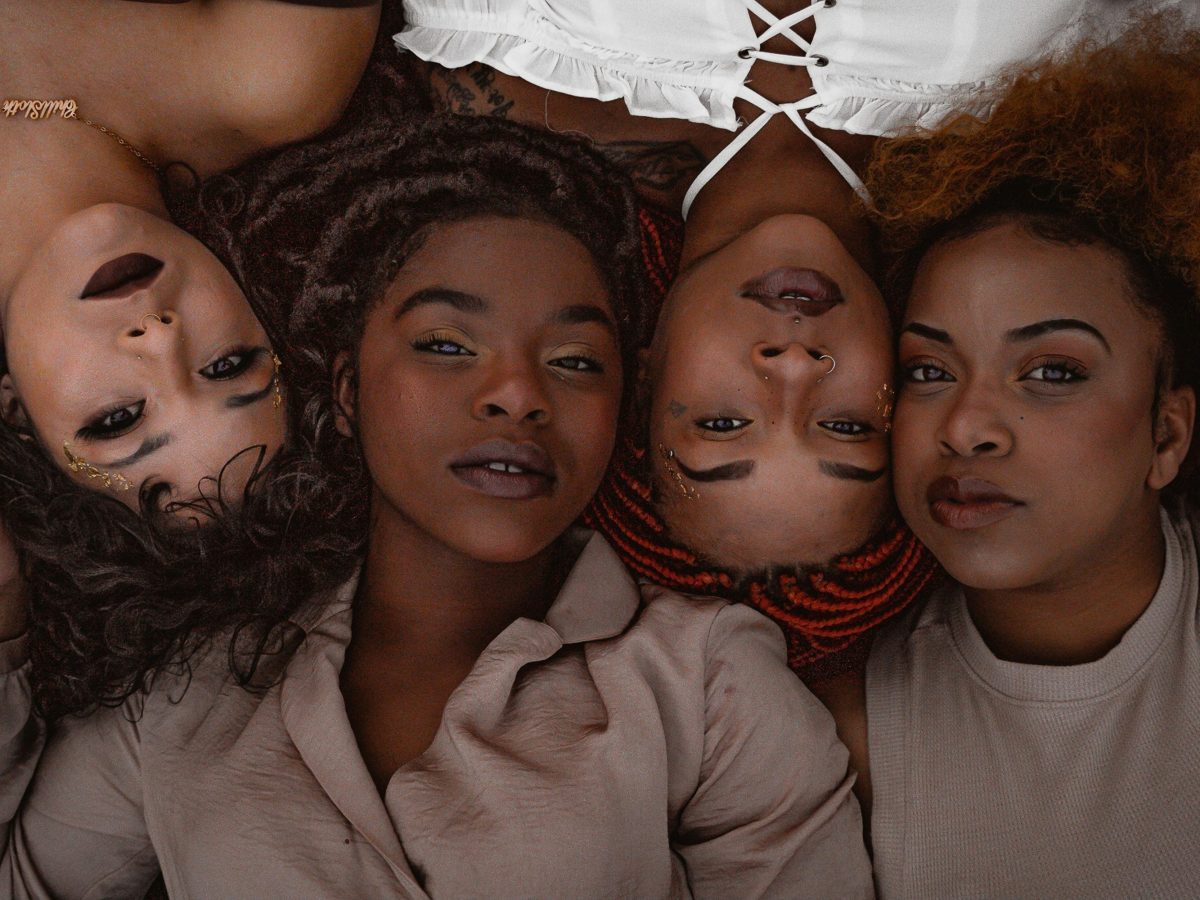
Black beauty has long been subjected to eurocentric standards that often marginalize and invalidate the natural features of Black individuals. Decolonising Black beauty involves unlearning these harmful standards, embracing natural beauty, and fostering a positive self-image.
This guide aims to support Black students and professionals in this journey by addressing colourism, texturism, featurism, and mental health, while acknowledging the different expectations placed on Black men and women.
Understanding Eurocentric Beauty Standards
Eurocentric beauty standards prioritize features traditionally associated with white Europeans, such as light skin, straight hair, and narrow noses. These standards have been perpetuated through media, fashion, and societal norms, leading to widespread internalisation and self-esteem issues among Black individuals.
Why It’s Important to Unlearn Eurocentric Beauty Standards
Unlearning eurocentric beauty standards and internalised white supremacy is crucial for several reasons:
Self-Esteem and Identity:
Eurocentric beauty standards often devalue the natural features of Black individuals, leading to feelings of inadequacy and low self-esteem.
Embracing one’s natural beauty helps foster a positive self-image and a strong sense of identity, essential for mental and emotional wellbeing.
Cultural Authenticity:
Celebrating natural beauty allows individuals to connect with their cultural heritage and history.
It promotes the acceptance and appreciation of diverse beauty standards within the Black community, strengthening cultural pride and solidarity.
Mental Health:
Constantly striving to meet unattainable beauty standards can lead to mental health issues such as anxiety, depression, and body dysmorphia.
Unlearning these standards can alleviate these pressures and contribute to a healthier mindset and lifestyle.
Challenging Systemic Racism:
Eurocentric beauty standards are a product of systemic racism that privileges whiteness.
By rejecting these standards, individuals can challenge and dismantle the pervasive racial hierarchies that sustain discrimination and inequality.
Internalised white supremacy and wellbeing
Internalised white supremacy and adherence to eurocentric beauty standards negatively impact wellbeing in several ways:
Psychological Distress:
The constant pressure to conform to eurocentric standards can cause significant psychological distress. This distress manifests as low self-worth, chronic stress, and emotional exhaustion.
Social Isolation:
Individuals who do not conform to these standards may face social exclusion or ostracism, leading to feelings of loneliness and isolation. This isolation can further exacerbate mental health issues and hinder personal growth.
Physical Health Risks:
Practices aimed at meeting eurocentric standards, such as skin bleaching or hair straightening, can have harmful physical health effects. These practices can cause long-term damage to the skin, hair, and overall health.
Eurocentric Beauty Standards and Access to Opportunities
Discrimination and Bias:
Individuals who do not conform to eurocentric beauty standards may face discrimination and bias in educational and professional settings. This bias can result in unequal treatment, lower evaluations, and limited opportunities for advancement.
Professional Image:
Eurocentric beauty standards often influence perceptions of professionalism, impacting hiring decisions and career progression. Black individuals who embrace their natural beauty might be unfairly judged as less professional or competent.
Self-Confidence:
Internalised negative perceptions can undermine self-confidence, affecting academic performance and workplace productivity. A lack of self-confidence can hinder one’s ability to seize opportunities, network effectively, and advocate for oneself.
Representation and Diversity:
Adhering to eurocentric standards perpetuates a lack of diversity in educational institutions and workplaces. Promoting diverse beauty standards can lead to more inclusive environments, where all individuals feel valued and represented.
Steps to Unlearn Eurocentric Beauty Standards
Unlearning eurocentric beauty standards and internalised white supremacy is essential for the wellbeing and empowerment of Black individuals. It fosters a positive self-image, enhances mental health, and challenges systemic racism. Moreover, it influences access to opportunities in education and the workplace by combating discrimination and bias, boosting self-confidence, and promoting diversity.
Education and Awareness:
- Learn about the history of eurocentric beauty standards and their impact on Black communities.
- Explore literature, documentaries, and art that celebrate Black beauty and diversity.
- Follow and support Black beauty influencers and activists who promote natural beauty.
Media Consumption:
- Curate your social media feeds to include diverse representations of Black beauty.
- Support Black-owned beauty brands and media outlets that challenge traditional beauty norms.
Affirmations and Self-Reflection:
- Practice daily affirmations that celebrate your natural features.
- Reflect on and challenge any internalized biases you may have regarding beauty standards.
By embracing and celebrating their natural beauty, Black students and professionals can pave the way for a more inclusive and equitable academic and working environments.
Understanding Colourism, Texturism, and Featurism
- Colourism: Prejudice or discrimination against individuals with a darker skin tone, often among people of the same ethnic or racial group.
- Texturism: Preference for looser, less kinky hair textures over coarser, tightly coiled hair.
- Featurism: Preference for facial features that align more closely with eurocentric standards, such as smaller noses and thinner lips.
Healing Strategies
Community Support:
Join or form support groups with others who are on the same journey of unlearning and healing.
Share experiences and coping strategies, and offer mutual support.
Therapy and Counselling:
Seek therapy with professionals who understand the unique challenges faced by Black individuals regarding beauty standards.
Explore therapeutic approaches like cognitive behavioural therapy (CBT) to address and reframe negative thoughts.
Cultural Affirmation:
Engage with cultural practices and traditions that celebrate Black beauty.
Attend events and spaces that honour Black heritage and promote a positive self-image.
Representation:
Advocate for greater representation of diverse Black beauty in media, workplaces, and educational institutions.
Support policies and initiatives that promote diversity and inclusion.
Expectations on Black Men vs Black Women
Black Women:
- Often face pressure to conform to eurocentric beauty standards through hair straightening, skin lightening, and other means.
- Experience hypersexualization or desexualization based on their appearance.
Black Men:
- May face stereotypes about their masculinity based on their physical features.
- Encounter pressures to conform to specific grooming and styling norms that align with eurocentric standards.
Strategies for Both Genders
Self-Expression:
- Embrace your unique style and encourage self-expression through fashion, hairstyles, and grooming that reflect your identity.
- Resist conformity to societal pressures and celebrate individuality.
Mentorship and Role Models:
- Seek out mentors and role models who exemplify diverse representations of Black beauty and success.
- Mentor younger individuals and promote positive beauty ideals within your community.
Professional Settings:
- Advocate for inclusive policies in workplaces and educational institutions that respect and celebrate Black beauty.
- Challenge discriminatory practices and microaggressions related to appearance.
Reclaiming Black Beauty Through Self-Care
The first step to decolonizing Black beauty in your psyche is to recognize the psychological impact of long-term exposure to eurocentric beauty standards. Then take steps to address issues of self-esteem, anxiety, and depression that may arise from internalized biases and societal pressures.
You may wish to consider the following self-care practices:
Mindfulness and Meditation:
- Practice mindfulness and meditation to build resilience and cultivate a positive self-image.
- Engage in activities that promote relaxation and mental wellbeing.
Physical Health:
- Maintain a healthy lifestyle through regular exercise, a balanced diet, and adequate sleep.
- Engage in physical activities that you enjoy and that make you feel good about your body.
Creative Outlets:
- Explore creative outlets such as writing, art, music, and dance to express your identity and emotions.
- Use these outlets as a form of self-discovery and healing.
Support Networks:
- Build and maintain a strong support network of friends, family, and allies who uplift and validate your experiences.
- Reach out for help when needed and offer support to others in your community.
Decolonising Black beauty is a journey of self-love, acceptance, and empowerment. By unlearning harmful standards, healing from internalised prejudices, and fostering a supportive community, Black students and professionals can reclaim and celebrate their natural beauty.
Embrace your uniqueness, challenge societal norms, and prioritize your mental and emotional wellbeing.
Because you’re worth it.