
The Bounce Black Team
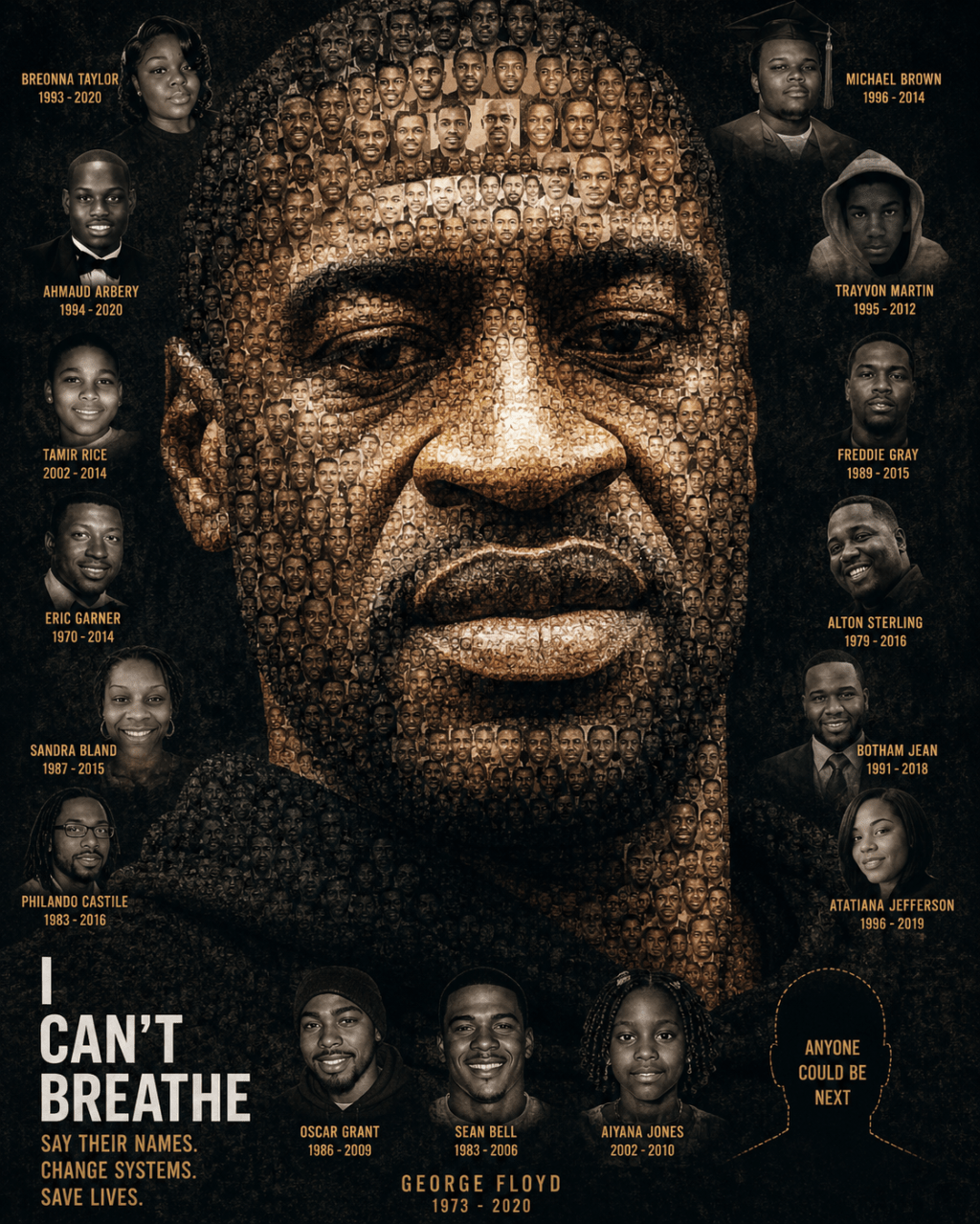
Six years after the murder of George Floyd, the world is still reeling from the promises and limits of what followed.
His death catalysed a global uprising against anti-Black racism, policing violence, and structural inequality. Organisations, institutions, and governments issued statements of solidarity, pledged reforms, and, in some cases, implemented new frameworks for racial equity.
Yet for many communities and advocates, the question remains: what has actually changed beneath the surface?
While visibility increased, the deeper systems that sustain racial injustice — surveillance, state and extrajudicial violence, institutional neglect, and the criminalisation of dissent — have in many contexts adapted rather than dissolved.
The result is a shifting landscape where racial equity is increasingly discussed, but not consistently protected. Likewise, racism is increasingly feared as an accusation, but not frowned upon as a culture.
The evolving landscape of racial justice
In the aftermath of 2020, racial equity work has become more visible, but also more contested and, in some spaces, actively constrained.
Equity practitioners, activists, whistleblowers, and human rights defenders report growing forms of retaliation that are often subtle, bureaucratic, and difficult to challenge.
One of the most concerning developments in this period is the rise of transnational repression, where individuals face intimidation, surveillance, legal pressure, or detention across borders, often linked to their advocacy, identity, or perceived political stance.
Alongside this, there has been increasing attention to the phenomenon of organised harassment: coordinated patterns of intimidation, discrediting, digital targeting, workplace retaliation, and social isolation that can operate across institutions and jurisdictions. While often difficult to evidence in traditional legal frameworks, its impact on wellbeing, civic participation, and democratic engagement is profound and lasting.
These dynamics raise urgent questions about the safety of those who speak out for justice, and whether current human rights protections are keeping pace with contemporary forms of harm.
A live case study: concerns about the detention of Dr Tamara Dixon
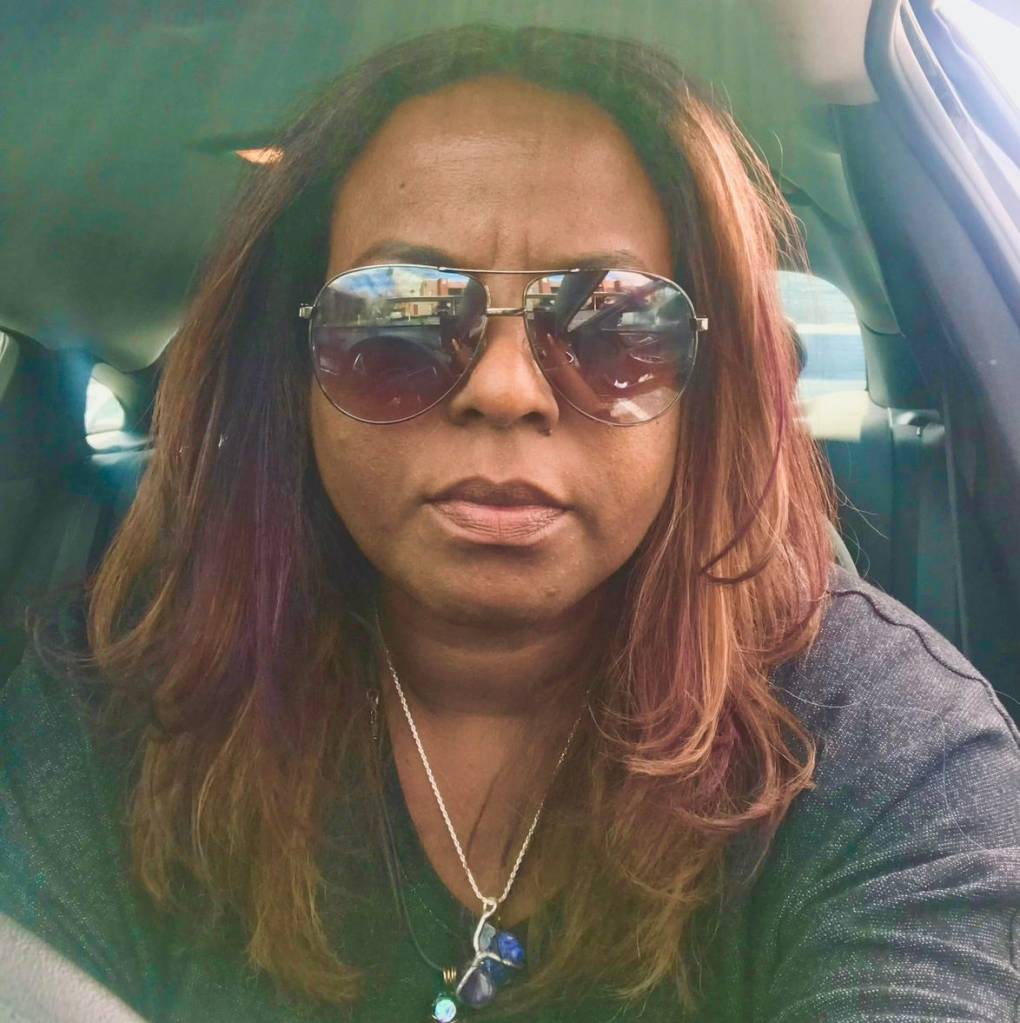
Recent concerns have been raised regarding the reported detention of Dr Tamara Dixon, an African American academic and former university professor.
Writing every step of the way about her experiences, Dr Tamara’s latest updates include that she is currently being held in an immigration detention setting in Luxembourg, where she is seeking asylum from severe transnational repression. Yet her efforts have been met with hostility and further covert harm in addition to restricted access to legal counsel and a limited ability to communicate due to confiscation of her personal devices.
With only one hour per day of permitted access to the computer facilities at the detention centre, without much clarity as to what’s next for her, Dr Tamara’s case is emblematic of broader concerns around due process, access to legal representation, and the treatment of individuals who may be vulnerable within detention systems.
It also highlights how quickly individuals can become isolated from support networks and advocacy channels, particularly when communication is restricted.
For human rights observers, such cases underscore the importance of independent monitoring, legal access, and safeguards against administrative or institutional overreach.
Importantly, and unfortunately, this case is not isolated or exceptional. Instead, it’s part of a wider pattern being flagged by activists and civil society organisations about how dissenting or visible individuals can become exposed to compounded vulnerabilities, especially when intersecting with race, gender, migration status, and advocacy work.
Organised harassment as a human rights issue
Organised harassment is increasingly being recognised by advocates as a serious but under-acknowledged threat to human rights and democratic participation. This type of repression and retaliation does not always appear in ways that are easily legible to formal institutions.
Instead, it thrives on weaponised conditioning cues to signal surveillance and intimidation in public without widespread detection. The campaign of psychological warfare and total assault on character, life and property can also extend to hidden reputational harm, career sabotage and other forms of financial and emotional abuse designed to destabilise and destroy victims.
Its effects are cumulative: social isolation, reputational damage, economic harm, and in some cases, deterrence from civic or advocacy engagement altogether.
For individuals working in racial justice, gender equity, and human rights, these patterns can operate as a form of structural silencing, thereby reducing participation not through direct censorship, but through sustained pressure and attrition.
A personal dimension: lived experience within Bounce Black
At Bounce Black, these conversations are not abstract.
Our Founder has, for the past four years, experienced sustained organised harassment and transnational repression while continuing to lead racial equity-focused work, community programmes, and trauma-informed advocacy initiatives.
This lived reality underscores how advocacy itself can become a site of vulnerability, and how those working to challenge systems of inequity are often simultaneously navigating personal exposure to harm.
This is not unique.
It reflects a broader pattern experienced by many Black women leaders, community organisers, and equity practitioners who operate at the intersection of public visibility and structural resistance.
Where do we go from here?
If George Floyd’s legacy is to extend beyond symbolic remembrance, it must include a serious reckoning with how power adapts, and how harm evolves.
This means:
- Expanding human rights frameworks to recognise modern forms of repression and organised harassment
- Strengthening protections for activists, academics, and whistleblowers across borders
- Ensuring access to legal representation and communication for those in detention settings
- Supporting independent investigation and accountability mechanisms
- Investing in the wellbeing and safety of those doing racial equity work
- Listening seriously to lived experiences, even when they fall outside conventional institutional categories
Racial equity cannot exist without safety for those who speak about it. And that is everybody’s business!
A call to action
Six years on, the challenge is not only remembrance, but responsibility.
We are calling on human rights organisations, policymakers, academic institutions, and civil society actors to take coordinated action in:
- Recognising transnational repression and organised harassment as urgent human rights concerns
- Supporting individuals and communities reporting these harms
- Demanding transparency and accountability in detention and immigration systems
- Protecting the civic space required for racial justice work to continue
The legacy of George Floyd demands more than reflection. It demands infrastructure (legal, social, and political) that protects life, dignity, and truth-telling.
Without that, equity remains an aspiration rather than a reality.
And to quote a wise Black woman…
Ain’t nobody got time for that!

Leave a comment